Power system studies
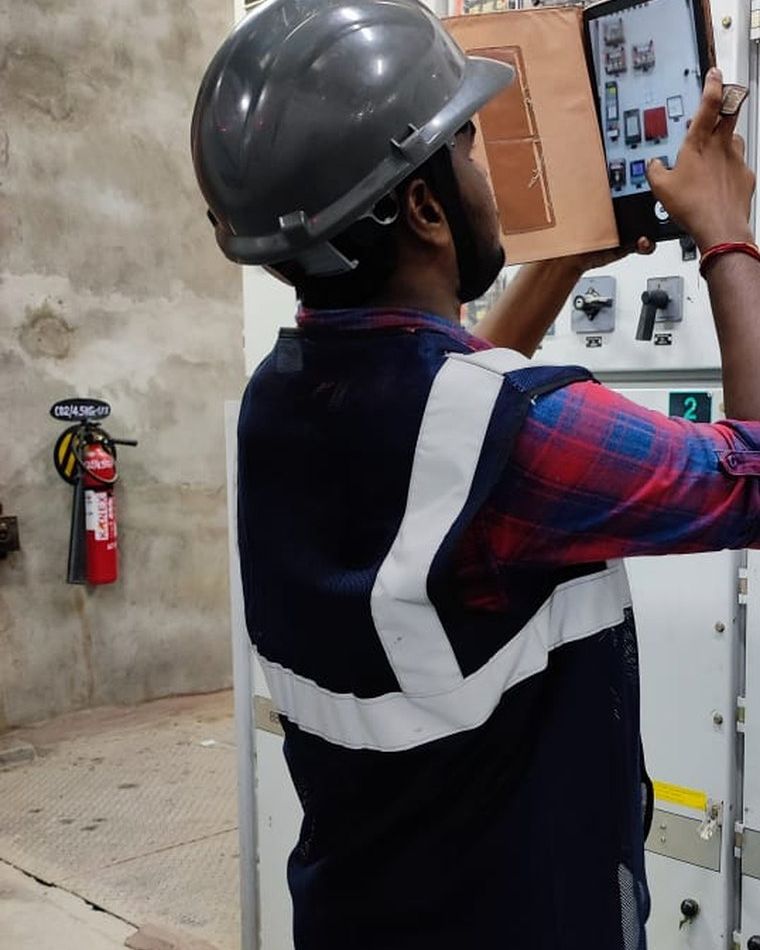
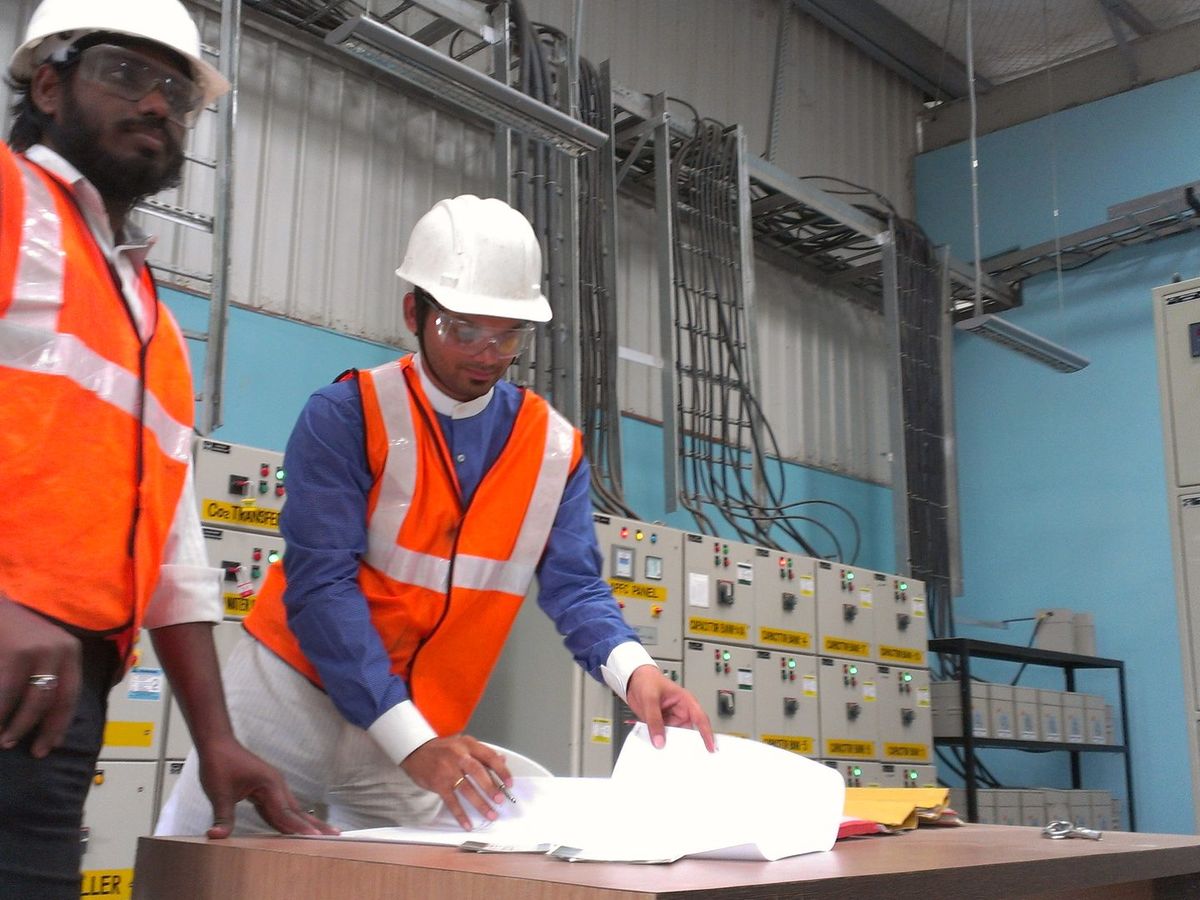
Arc flash, short circuit, relay coordination and load flow studies for data centres, power and BESS sites, refineries and pharma plants. You walk the switchroom, build the model and defend the results.
Careers at VB Engineering
VB Engineering hires electrical, process and reality-capture engineers to study, scan and document operating plants. You join one of five practices, learn on ETAP, SKM and Leica RTC360, and grow toward signing engineering deliverables in your own name.
Named-engineer signature on every deliverable78 plants live on WistwinField work across 21 countries
Trusted by the World’s Most Demanding Plants.


The work
You will work on operating plants, not drawings of future ones. VB Engineering runs five practices, and every engineer starts in one, with room to cross-train into the others as projects demand.

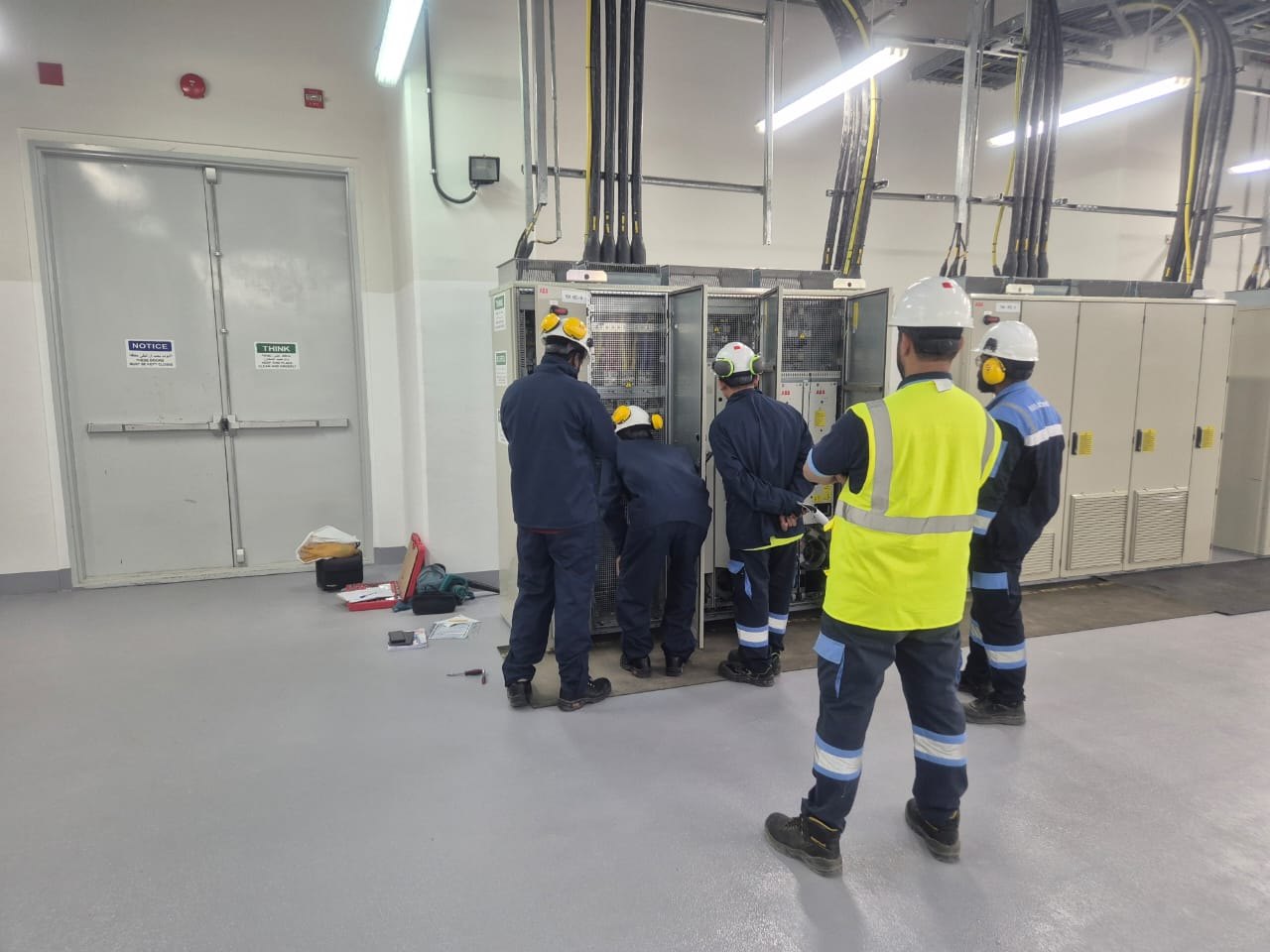
Arc flash, short circuit, relay coordination and load flow studies for data centres, power and BESS sites, refineries and pharma plants. You walk the switchroom, build the model and defend the results.

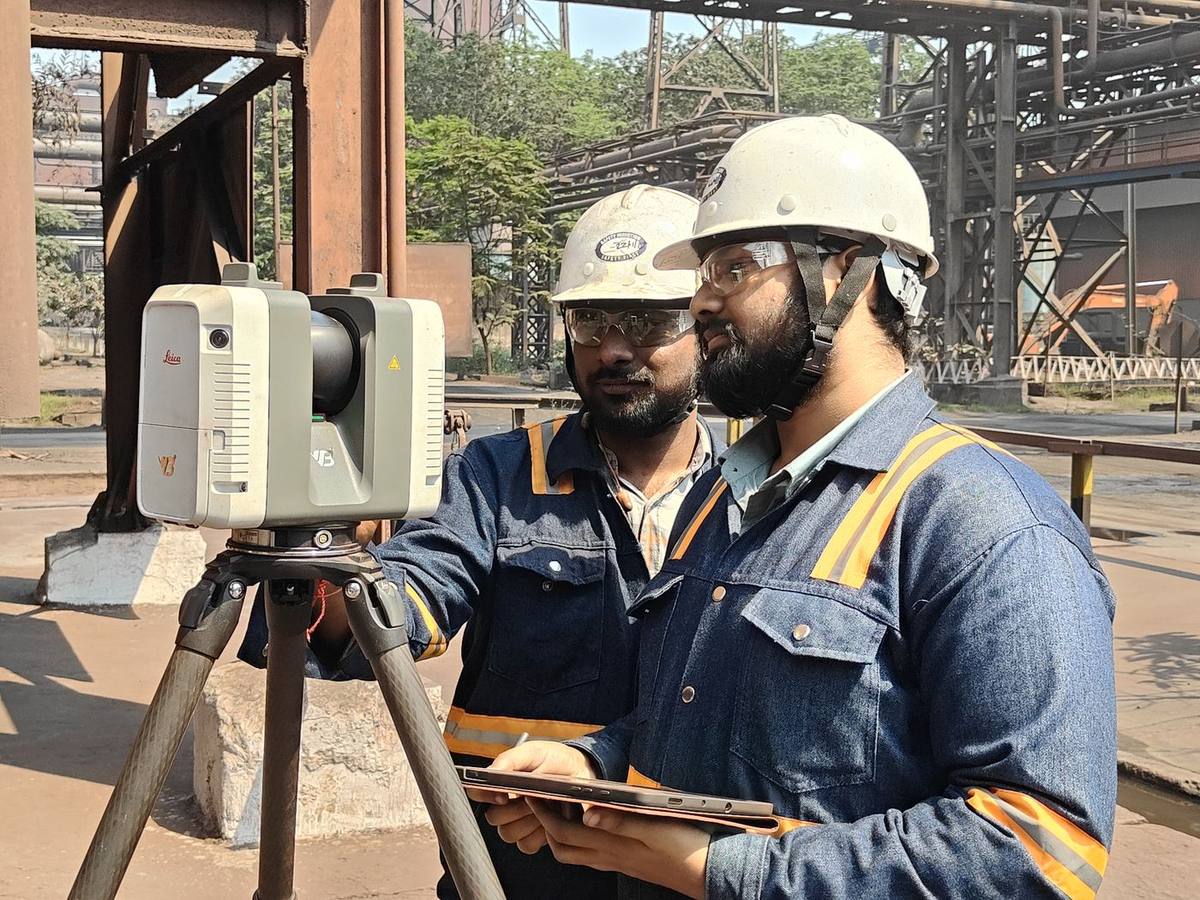
Plan scan stations, capture live plants as registered point clouds and hand over geometry that as-built and digital twin teams build on.

P&IDs, single-line diagrams and isometrics redrawn to match what is actually installed in the field.
HAZOP, LOPA and SIL studies on process plants. You scribe, then facilitate, then lead nodes with operations teams.
| Practice | Degree background | Tools you will master | Standards you will work to | Your first assignments |
|---|---|---|---|---|
| Power system studies | Electrical, EEE | ETAP, SKM PowerTools, CYME, EasyPower, ElecTwin | NFPA 70E, IEEE 1584, IEC 60909 | Field data capture, single-line updates, model building under a study engineer |
| 3D LiDAR scanning | Civil, geomatics, mechanical | Leica RTC360, registration software | Client survey and accuracy specifications | Scan station planning, capture and registration on live sites |
| As-built engineering | Mechanical, chemical, instrumentation, electrical | AutoCAD, point cloud overlays | ISA-5.1 symbology, client drafting standards | Field mark-ups, redlines and drawing updates |
| Risk and safety | Chemical, process, instrumentation | HAZOP and LOPA worksheets | IEC 61882, IEC 61511 | Scribing HAZOP sessions, node preparation, action tracking |
| Discrete event simulation | Industrial, production, mechanical | FlexSim | Client data and validation protocols | Data collection, model logic, scenario runs |
Find your practice
Answer three questions and get the practice that suits you, the level you would likely join at, and what to brush up on before the technical round.
Your best fit
Likely entry: Field engineer
Indicative guidance only. The hiring panel confirms the role and level after the technical round.
Career path
A signing engineer is the named engineer who puts their signature on a study and stands behind its results. At VB you earn that signature in five stages, each one gated by the work you have delivered and the reviewers who have checked it.
Learn the method on live projects under a study engineer. Build models, capture data, attend client reviews.
Lead data capture on site. Own the walkdown, the photographs and the field record that every study depends on.
Own a study from model to report. Present findings to the client's electrical or process safety team.
Check other engineers' work line by line. Mentor field engineers and set the technical standard for your practice.
Sign deliverables in your own name. Carry the practice in front of the largest clients.
On site
A typical power system study mobilisation moves from briefing to signed report in five steps. You spend the early steps on site and the later steps with the model and the reviewer.

Scope, site rules, permit-to-work and the PPE for the equipment you will be near.
Nameplates, cable runs and protective device settings, recorded on ElecTwin straight from the panel.
The field record becomes an ETAP or SKM model of the plant's electrical system.
A principal reviewer checks the model and results before anything reaches the client.
You present the findings, the labels and the recommendations to the plant team.
Hiring process
VB Engineering hires in five steps, starting with one application on the careers portal. Every candidate meets a practising engineer in the technical round, because the people you interview with are the people you will work beside.
Verify your email by OTP, upload your CV and get an application number to track your status.
A short conversation on your background, notice period and the practice you prefer.
A discipline discussion with a practising engineer, built around real plant problems.
Where you want to grow, and the projects you would start on.
A written offer, then an induction that covers safety, tools and the review method.
VB Engineering never asks for money at any stage of hiring. Offers come only from a VB Group email address after the interview steps above. If anyone asks you for a fee in VB's name, do not pay and report it to connect@groupvb.com.
Life at VB
Working at VB Engineering means real plants, real responsibility and a team that checks each other's work. You see more sites in your first years than most engineers see in a decade.

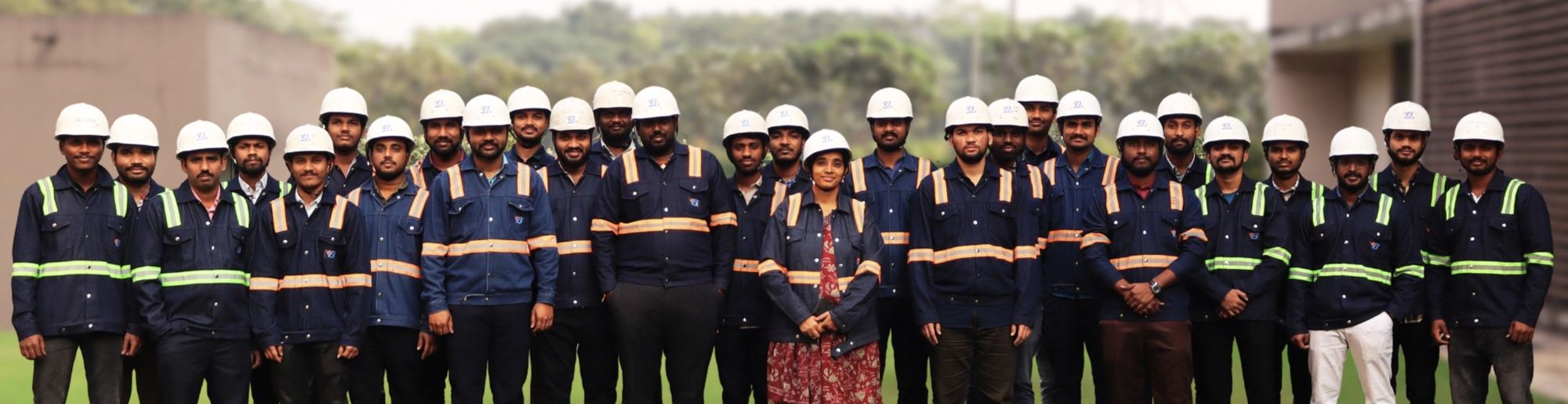
The VB Engineering field team, 2026.
Data centres, power and BESS, refineries, pharma and semiconductor plants, in India and abroad.
Engineers train on Drona VR, VB Group's virtual reality safety platform, before they work near live equipment.
Deliverables carry the names of the engineers who did them. Your record builds with every study.
Locations
VB Engineering engineers are based at one of two offices and travel to client plants for field work. Project work has taken VB teams to 21 countries.
Engineering, review and practice leadership. Most graduate and field engineer roles start here.
Client engagement for North American projects.
Questions candidates ask
Yes. VB Engineering takes graduate engineers into its practices, mainly from electrical, chemical, instrumentation, mechanical and civil backgrounds. Freshers start as graduate engineers on live projects under a study engineer.
Apply on the VB Group careers portal at careers.vbengg.com. You verify your email with a one-time password, upload your CV and receive an application number you can use to track or continue your application.
It depends on your practice. Power system engineers work in ETAP, SKM PowerTools, CYME and EasyPower, with field data captured on ElecTwin. LiDAR engineers use the Leica RTC360. Simulation engineers model in FlexSim. As-built engineers draft in AutoCAD.
Yes. Field work is part of most roles at VB Engineering, because every study starts with a walkdown of the plant. Project work has taken VB teams to 21 countries.
A signing engineer is the named engineer who signs a study and is accountable for its results. At VB Engineering, engineers grow toward this role through five stages: graduate engineer, field engineer, study engineer, reviewing engineer and signing engineer.
Yes. Engineers start in one practice and can cross-train into others as projects require. LiDAR and as-built work closely together, and power system engineers often support risk and safety studies.
The technical round is a discussion with a practising VB engineer in your discipline. Expect questions built around real plant problems, such as reading a single-line diagram or walking through a HAZOP node.
No. VB Engineering never asks candidates for money at any stage. Offers are sent only from a VB Group email address. Report any request for payment made in VB's name to connect@groupvb.com.
VB Engineering has its headquarters in Hyderabad, Telangana, India, and a US office in Katy, Texas. Engineers travel from these offices to client plants for field work.
Equal opportunity
VB Engineering is an equal opportunity employer. We hire on qualifications, skills and the needs of the role, and we do not discriminate on the basis of religion, caste, gender, gender identity, sexual orientation, age, disability, marital status or place of origin. We follow the employment laws that apply to us in India.
VB Group's US operations are an Equal Opportunity Employer. All qualified applicants receive consideration for employment without regard to race, color, religion, sex, sexual orientation, gender identity, national origin, age, disability, veteran status or any other characteristic protected by law.
Apply
One application on the careers portal covers all five practices. Tell us which discipline calls you first, and the hiring team will match you to the right role.
Questions about a role: connect@groupvb.com