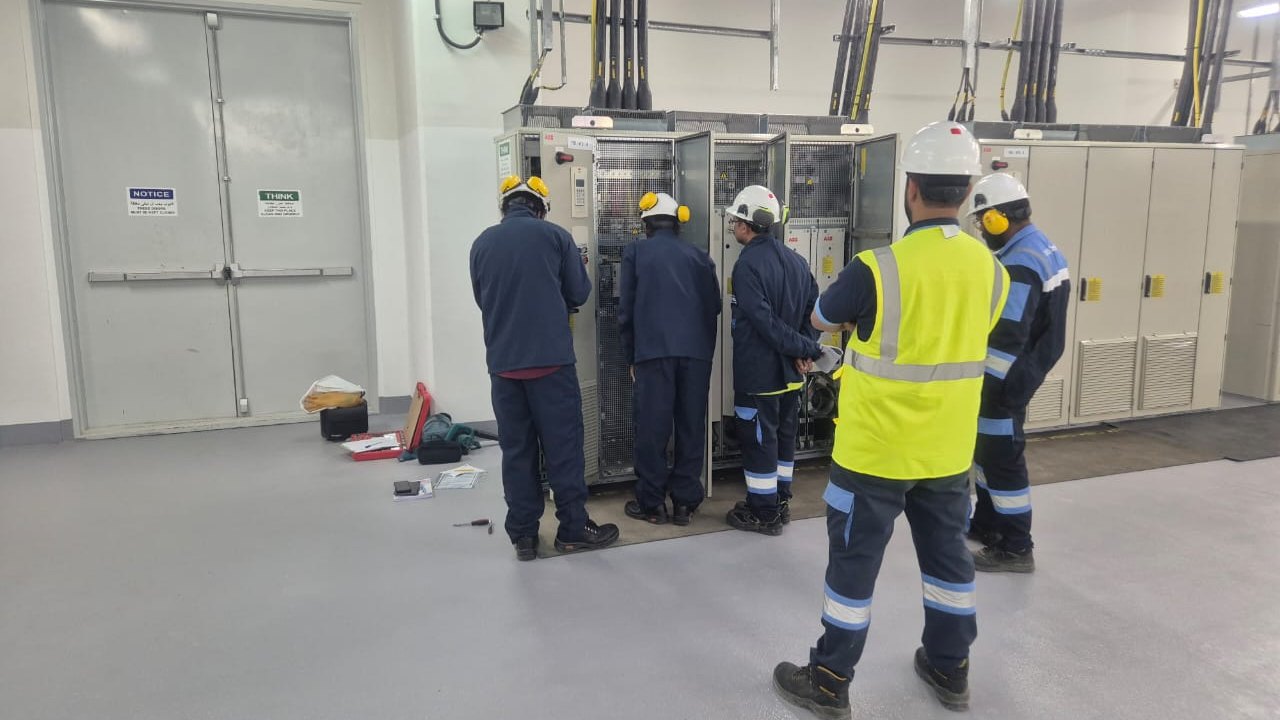
Arc flash study · Philippines · PEC 2017 Art. 1.10.1.17 · NFPA 70E 2027 · IEEE 1584-2018
Arc flash studies in the Philippines that close your NFPA 70E audit and meet PEC 2017 on the first visit.
VB Engineering runs arc flash studies for semiconductor plants, data centers and power sites across the Philippines to IEEE 1584-2018 and NFPA 70E, and installs the dated labels that Philippine Electrical Code 2017 Article 1.10.1.17 requires. Audit finding open or labels past five years? Check them in the card and a VB engineer scopes your site in two business days, free.
1,000+ studies21 countriesWorking since 2014PEE-sealed on request
Free PEC label check · 2 minutes
| 1.10.1.17(A) | |
|---|---|
| 1.10.1.17(B) | |
| Study age | |
| Scope | |
| Duration |
The check reads your answers against the clause text; it is a first read, not an engineering opinion. Durations are modeled from VB's project register by bus-count band. Send it and a VB engineer returns the written scope and pricing basis in two business days. Short form, no phone number.
Trusted on plants that cannot stop










- 0service rating at which PEC 2017 adds the four-item label
- 0data center capacity operating in Manila, H1 2026
- 0of Philippine exports from electronics, August 2026
- 0arc flash studies signed off
- 0countries where VB has labeled gear
Code threshold: Philippine Electrical Code 2017 Part 1, Article 1.10.1.17(B), IIEE. Data center figure: Cushman & Wakefield Asia Pacific Data Centre Update H1 2026, published 25 August 2026. Export share: Philippine Statistics Authority, August 2026 preliminary (68.1%). Assessment counts: VB Engineering project register.
How the free check works
- 1
Two minutes on the check
Service rating, what the labels on your gear say today, when the last study was done and roughly how many buses the site has.
- 2
An engineer reads it
A VB practice engineer checks your answers against PEC 2017 Article 1.10.1.17 and NFPA 70E, and writes the scope for your site, stage by stage.
- 3
Scope back in two days
Deliverables, weeks per stage, the per-bus pricing logic and the seal option, in writing, ready for your plant head or principal.
The requirement
Is an arc flash study required in the Philippines?
In effect, yes: no Philippine law uses the words arc flash study, but the Philippine Electrical Code 2017, NFPA 70E and RA 11058 together require one. An arc flash study is the engineering calculation of the heat energy a fault would release at each piece of electrical equipment. The arc flash label is the result of that calculation, fixed to the gear. A label without a study behind it is a sticker, not a finding.
| Instrument | Clause | What it asks for | Who will ask for it |
|---|---|---|---|
| Philippine Electrical Code 2017 Part 1 | Art. 1.10.1.17(A) | Field or factory marking that warns qualified persons of arc flash hazard on switchboards, switchgear, panelboards, industrial control panels, meter socket enclosures and motor control centers likely to need work while energized | The electrical inspector at permit and occupancy |
| Philippine Electrical Code 2017 Part 1 | Art. 1.10.1.17(B) | On service equipment rated 1,200 A or more, a permanent label with nominal system voltage, available fault current, clearing time of the protective devices and the date the label was applied | The inspector; the insurer's risk engineer |
| NFPA 70E (PEC references the 2015 edition; current edition 2027) | 130.5 · 130.5(H) | A risk assessment before anyone works on live gear, repeated every five years or sooner if the system changes, plus what the label must state | The EHS lead, the parent company's audit, the insurer |
| RA 11058 (2018) | Sec. 4(a) · Sec. 28(a) | A workplace free from hazardous conditions likely to cause death or physical harm; administrative fine of up to PHP 100,000 per day until corrected | The DOLE labor inspector |
| DOLE OSH Standards | Rule 1210 | Electrical safety in the installation, operation and maintenance of electrical equipment | The DOLE labor inspector; the company safety officer |
PEC 2017 points to NFPA 70E-2015 for label guidance. VB runs the study to NFPA 70E 2027, the current edition, and page one of the report lists every clause of both editions against the page that answers it and to RA 11058. IIEE is preparing the next PEC Part 1 on the basis of the NEC 2023; a VB label already carries the assessment date and the incident energy, so a code update changes the clause reference in the report, not the label on the gear.
When it is due
When does a Philippine facility need an arc flash study?
A Philippine facility needs an arc flash study at four moments: before new switchgear is first energized, when the label on 1,200 A service equipment is missing any of its four items, when the last study is more than five years old, and whenever a new transformer, feeder, generator or battery system changes the fault current. Each one changes the incident energy on the label, so each one is a reason to re-run the study.
A new line, hall or transformer
New load means new fault current at the buses upstream of it. VB re-runs the site model for the new configuration and replaces only the labels that changed, before the new gear is energized.
The parent company or insurer audit
Global groups audit their Philippine sites against NFPA 70E. The auditor asks for the dated study and the label schedule first. VB's report opens with the conformance matrix they read.
The DOLE inspection or a near miss
After an incident the first question is whether the hazard was assessed. A dated study, labels on the gear and a closed action register are the answer the safety officer needs on file.
What a VB label says, and why it outlasts a code update
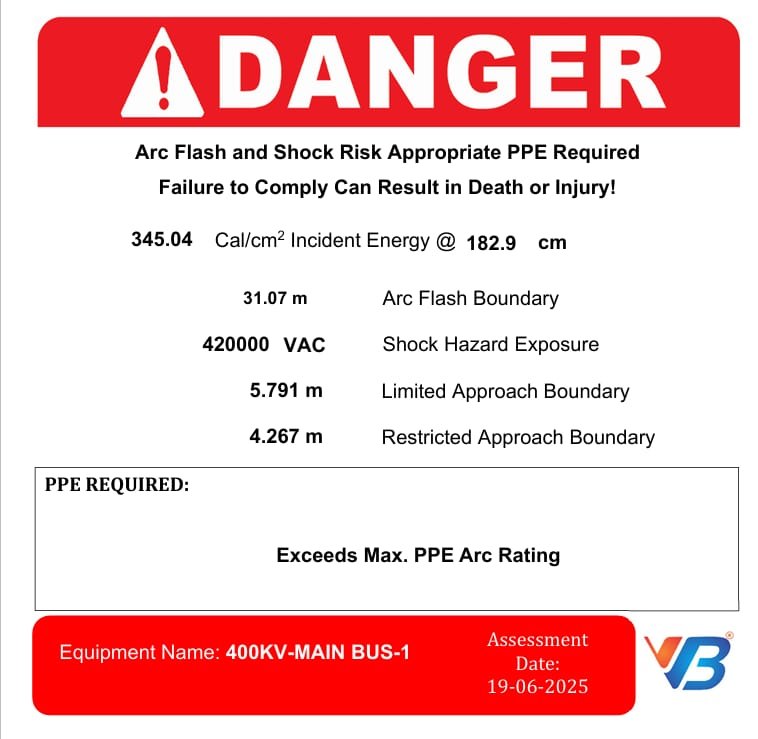
A VB label is a printout of one line in the study: the calories per square centimeter a worker would face at the panel door, how far the flash reaches, the shock voltage, how close an unqualified person may stand, the panel's tag and the day the study was signed. PEC 2017 1.10.1.17(B) asks for less; the next edition is likely to ask for this much. Change the plant and that line is recalculated, then the label on the door is swapped.
Where VB works in the Philippines
Which Philippine facilities does VB run arc flash studies for?
VB runs arc flash studies for three kinds of Philippine facility where energized work is routine and downtime is expensive: semiconductor and electronics plants, data centers, and power generation and battery storage sites. All three carry DC systems that a standard AC study leaves out, and VB puts them in the same table.
| Facility | What drives the study | What is usually missing | What VB adds |
|---|---|---|---|
| Semiconductor and electronics | 68.1% of Philippine exports in August 2026; parent companies audit every plant against NFPA 70E each year | Studies older than five years, labels without the assessment date, battery rooms outside the study | Walkdown inside your shutdown windows, dated labels, a report the corporate auditor reads first |
| Data centers | Manila had 90 MW operating across 28 facilities in H1 2026, with new halls energizing every quarter | UPS strings and battery rooms left out of the incident energy table | AC and DC buses in one table, phased hall by hall to the commissioning schedule |
| Power generation and battery storage | Solar plants and battery energy storage connecting at medium voltage | DC arc flash, because IEEE 1584-2018 covers AC only | DC rows with the method named, inverter and PCS lineups labeled |
What VB delivers
What does VB deliver in a Philippine arc flash study?
A VB arc flash study runs from the point your distribution utility hands over power down to the smallest panelboard, AC and DC in one incident energy table, and ends with dated labels installed on the gear. The one-line diagram, the single drawing that shows how power flows from the service to each load, is verified against the site before a number goes in the model. The report is signed by the engineer who ran it.
| Included | Extra, on request |
|---|---|
| Site survey: each cubicle opened, its breaker settings, transformer ratios and nameplates captured on camera | Infrared and partial-discharge scanning |
| One-line diagram verified against the site, every deviation listed | Drawing a full one-line where none exists |
| Short-circuit, protective device coordination and incident energy to IEEE 1584-2018, every operating mode run | Applying new relay settings on the gear |
| UPS, solar and battery buses calculated with a named DC method | Battery capacity and autonomy studies |
| Labels printed, fixed to the gear by VB and photographed in place | Other safety signage |
| A prioritised fix list, each item with a name and a due date, plus a clause-by-clause map to PEC 2017, NFPA 70E and RA 11058 | Electrical safety training for your team, available as a separate course |
How VB runs it, and how long each stage takes
- Data request · a pre-visit data sheet in the first week, so the walkdown days go on the gear, not on paperwork
- Walkdown · every cubicle opened, read and photographed, planned inside your shutdown or maintenance windows
- Calculation · in ETAP or SKM PowerTools, two to three weeks, each operating mode including generator and UPS bypass
- Report · the 11 sections of IEEE 1584.1-2022, signed by the engineer who ran the model and checked by an independent reviewer
- Labels · a crew fixes roughly 150 a day, each one dated and photographed
- Total · about 4 weeks up to 25 buses, 5 to 7 weeks up to 100, 8 to 11 weeks up to 300, from site access to installed labels
Price
How much does an arc flash study cost in the Philippines?
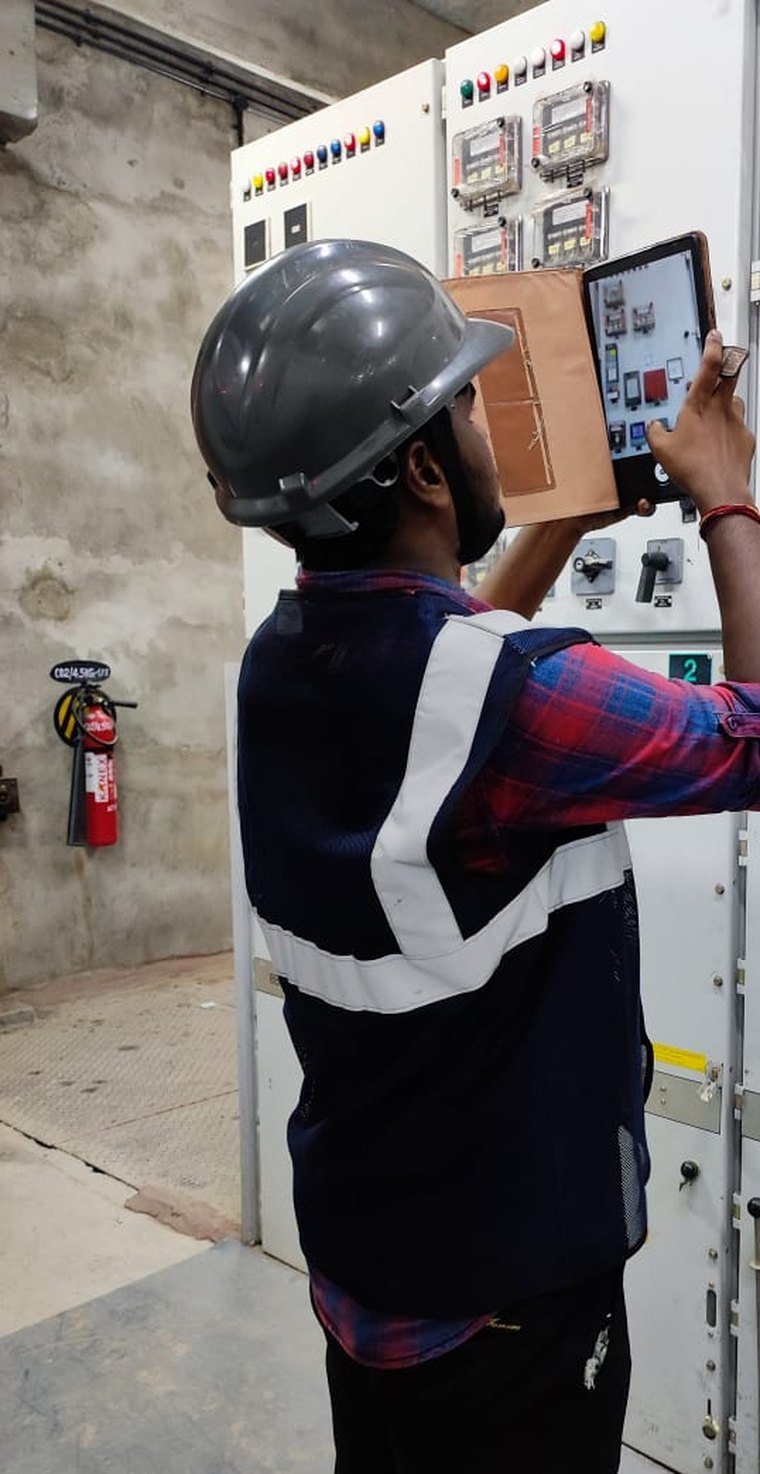
An arc flash study in the Philippines is priced per bus and per voltage class, because the bus count is the work; the walkdown, any one-line drawing work and the label installation are priced as their own lines. A bus is any point in the system where the study calculates a result: a switchboard, a motor control center, a panelboard. Floor area and megawatts are poor guides to price.
| Price driver | Why it moves the price | How VB shows it in your scope |
|---|---|---|
| Bus count | Each bus is walked down, modeled, calculated and labeled | Rate per bus, by voltage class |
| Voltage classes | Medium-voltage buses carry utility-side relays and more operating modes | Low and medium voltage on separate lines |
| One-line drawings | Outdated drawings are reconciled on site; missing ones are drawn | A separate line, never hidden in the study rate |
| DC systems | UPS, solar and battery buses need a DC method outside IEEE 1584 | DC buses listed by name and priced per bus |
| Sites and mobilization | Each site needs its own walkdown and label crew visit | Per site, so a multi-site group can phase the work |
The pricing basis for your site comes back with the written scope, in two business days, at no charge. For how VB builds an arc flash study price in detail, read what an arc flash study costs.
A semiconductor plant
How does VB close a semiconductor plant's NFPA 70E audit finding in the Philippines?
On a large semiconductor assembly and test plant in the Philippines, modeled with a 2,000 A service and 125 buses, VB runs one study across two planned shutdowns and closes the parent company's audit finding in 9 weeks. The modeled result: 9 buses above 40 cal/cm² brought to 0, the highest incident energy cut from 52 to 7.8 cal/cm², and 31 understated labels replaced with dated, PEE-sealed ones.
The trigger
The plant's corporate EHS audit, run against NFPA 70E every year, raised one finding: the arc flash study was more than five years old and the labels on the gear showed PPE categories, not calculated values. The plant had 90 days to show a plan and the next audit to show it closed.
What the study found
| Finding | Where, and why it matters |
|---|---|
| 9 buses above 40 cal/cm² | Main switchboards and transformer secondaries, where no arc-rated PPE allows energized work |
| 31 labels understated | The old label showed a lower PPE category than the new calculation |
| 4 miscoordinations | A feeder breaker set to trip after the main, so one feeder fault would black out the line |
| 12 DC buses missing | The UPS and battery room feeding the test floor sat outside the old study |
| 17 one-line deviations | Panels added since the drawings were last issued |
What VB changed
VB recommended an energy-reducing maintenance setting on the two main breakers and re-timed four feeder breakers, all inside the existing hardware. The plant's electrical contractor applied the settings in the second shutdown, VB re-ran the model and printed the labels from the final run.
| Measure | Before | After |
|---|---|---|
| Highest incident energy, cal/cm² | 52 | 7.8 |
| Buses above 40 cal/cm² | 9 | 0 |
| Labels understating PPE | 31 | 0 |
| Protective device miscoordinations | 4 | 0 |
| DC buses in the study | 0 | 12 |
| Service switchboards meeting PEC 1.10.1.17(B) | 0 of 2 | 2 of 2 |
| Weeks, site access to sealed report | 9, across two shutdowns | |
The audit finding closes on one document: a dated, PEE-sealed study with a label schedule and an action register where every item has an owner and a closing date. The alternative, a fresh sticker on the old labels, leaves dates on the gear that a five-year-old calculation cannot support.
Why the scope carries weight
Why do Philippine facilities bring VB the study?
Semiconductor plants, data halls, power stations and process sites, in 21 countries and counting.
The physics follows IEEE 1584-2018, the report follows IEEE 1584.1-2022, and the obligation comes from PEC 2017 and NFPA 70E. No hand calculations, no spreadsheets.
The engineer who built your model puts their name on each section and a VB reviewer who did not build it checks it. A PRC-licensed Professional Electrical Engineer seals the study when your permit, principal or insurer asks for it.
IEEE 1584 stops at AC, so many studies quietly skip the DC side. VB calculates it, names the DC method used, and lists those buses alongside the switchgear.
The walkdown is planned inside your maintenance windows, so the study never asks the plant to stop for it.
You get a written document, not a sales call. Pass it to your plant head, your regional EHS team or a second bidder and compare like for like.
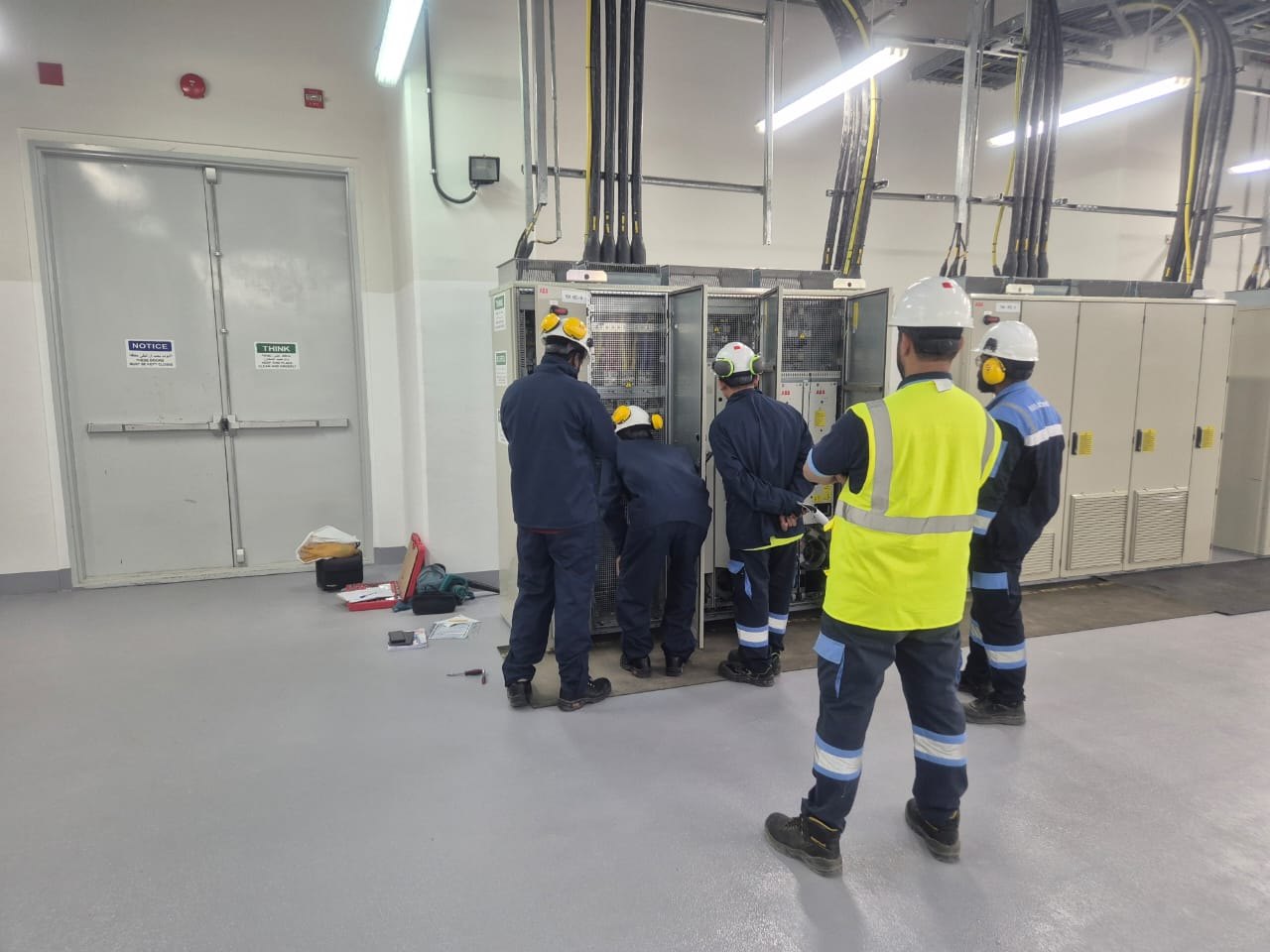
Who brings the study
Who in a Philippine facility usually asks VB for the study?
The plant or facilities engineer
Owns the switchgear and the shutdown calendar. Needs the study scoped around the next maintenance window and the labels on before the next audit.
The safety officer or EHS head
Answers to DOLE under RA 11058 and to the parent company's audit. Needs a dated study, a closed action register and a report the auditor can read.
The EPC or electrical contractor
Has the arc flash study on the turnover list for a new hall or line. VB delivers it against the commissioning date, and the contractor stays the owner's single point of contact.
Related: how VB scopes an arc flash study · what an arc flash study costs · DC arc flash for battery storage.
Before you ask
Questions Philippine facilities ask VB
Is an arc flash study required in the Philippines?
In effect, yes. No Philippine law uses the words arc flash study, but three instruments add up to one. Philippine Electrical Code 2017 Article 1.10.1.17 requires arc flash warning marking on switchboards, panelboards and similar equipment, and a four-item label on service equipment rated 1,200 A or more. NFPA 70E, which the PEC references, requires an arc flash risk assessment before energized work. RA 11058 Section 4(a) requires a workplace free from hazards likely to cause death or physical harm. One VB study answers all three.
What does PEC 2017 Article 1.10.1.17 require on the label?
Part (A) requires switchboards, switchgear, panelboards, industrial control panels, meter socket enclosures and motor control centers in non-dwelling occupancies, likely to need work while energized, to be field or factory marked to warn qualified persons of arc flash hazard. Part (B) adds a permanent label on service equipment rated 1,200 A or more showing four items: nominal system voltage, available fault current at the service overcurrent protective devices, the clearing time of those devices, and the date the label was applied.
Does the 1,200 A rule apply to my plant?
It applies if your service equipment, usually the main incoming breaker or switchboard, is rated 1,200 A or more. Read the rating on the main breaker nameplate. Most data centers, semiconductor plants and mid-size factories are above it. Below 1,200 A, Part (A) still requires the arc flash warning on the gear.
Which NFPA 70E edition applies in the Philippines?
PEC 2017 references NFPA 70E-2015 for arc flash labeling guidance. The current edition is NFPA 70E 2027. VB runs the study to the current edition and the conformance matrix on page one of the report maps each clause to both, so a Philippine inspector and a parent-company auditor read the same report.
Does DOLE require an arc flash study?
DOLE does not name the study, but it enforces the duty behind it. RA 11058 Section 4(a) requires the employer to furnish a workplace free from hazardous conditions likely to cause death, illness or physical harm, and Section 28(a) sets an administrative fine of up to PHP 100,000 per day until a violation is corrected. Rule 1210 of the DOLE Occupational Safety and Health Standards covers electrical safety. A dated arc flash study and its labels are the evidence that the electrical hazard was assessed.
How long does an arc flash study take?
About 4 weeks for a site of up to 25 buses, 5 to 7 weeks for 26 to 100 buses, 8 to 11 weeks for 101 to 300 buses, and 12 weeks or more above that, from site access to installed labels. Add about a week where one-line drawings have to be drawn on site. These durations are modeled from VB's project register by bus-count band.
How much does an arc flash study cost in the Philippines?
It is priced per bus and per voltage class, with the walkdown, the one-line drawing work and the label installation as their own lines. Floor area is a poor guide because the bus count is the work. Put the bus count into the label check on this page and the written scope comes back with the pricing basis in two business days, at no charge.
Who signs the arc flash study?
The VB engineer who built the model signs every section, an independent VB reviewer checks it, and a PRC-licensed Professional Electrical Engineer (PEE) seals the study for the Philippine record. Tick the seal option on the form and it is included in the written scope.
Will the next edition of the PEC change my labels?
IIEE is preparing the next PEC Part 1 on the basis of the NEC 2023. A VB label already carries the assessment date, the incident energy, the arc flash boundary and the equipment name, so a code update changes the clause reference in the report, not the label on the gear.
Does the study cover solar, battery storage and UPS systems?
Yes. IEEE 1584-2018 only covers AC systems between 208 V and 15 kV, so VB calculates solar strings, battery storage, UPS strings and DC panels with a recognised DC method and names that method beside each result. A battery room missing from the study is the gap VB sees most often when it audits studies done elsewhere.
What happens after I submit the form?
A VB engineer replies by email inside two business days. You get the site scope, how many weeks each stage takes, the deliverables list, how the price is built per bus and the PEE seal. Nobody phones you unless you ask, and you can lay the scope next to any other quote.
Your PEC label check and site scope, back in two business days.
Answer six questions today. A VB engineer returns the written scope, the duration of each stage and the pricing basis per bus, with the seal option. No charge, no call unless you want one.
Scope my sitePrefer email? Send the bus count to connect@groupvb.com with "Philippines" in the subject line.