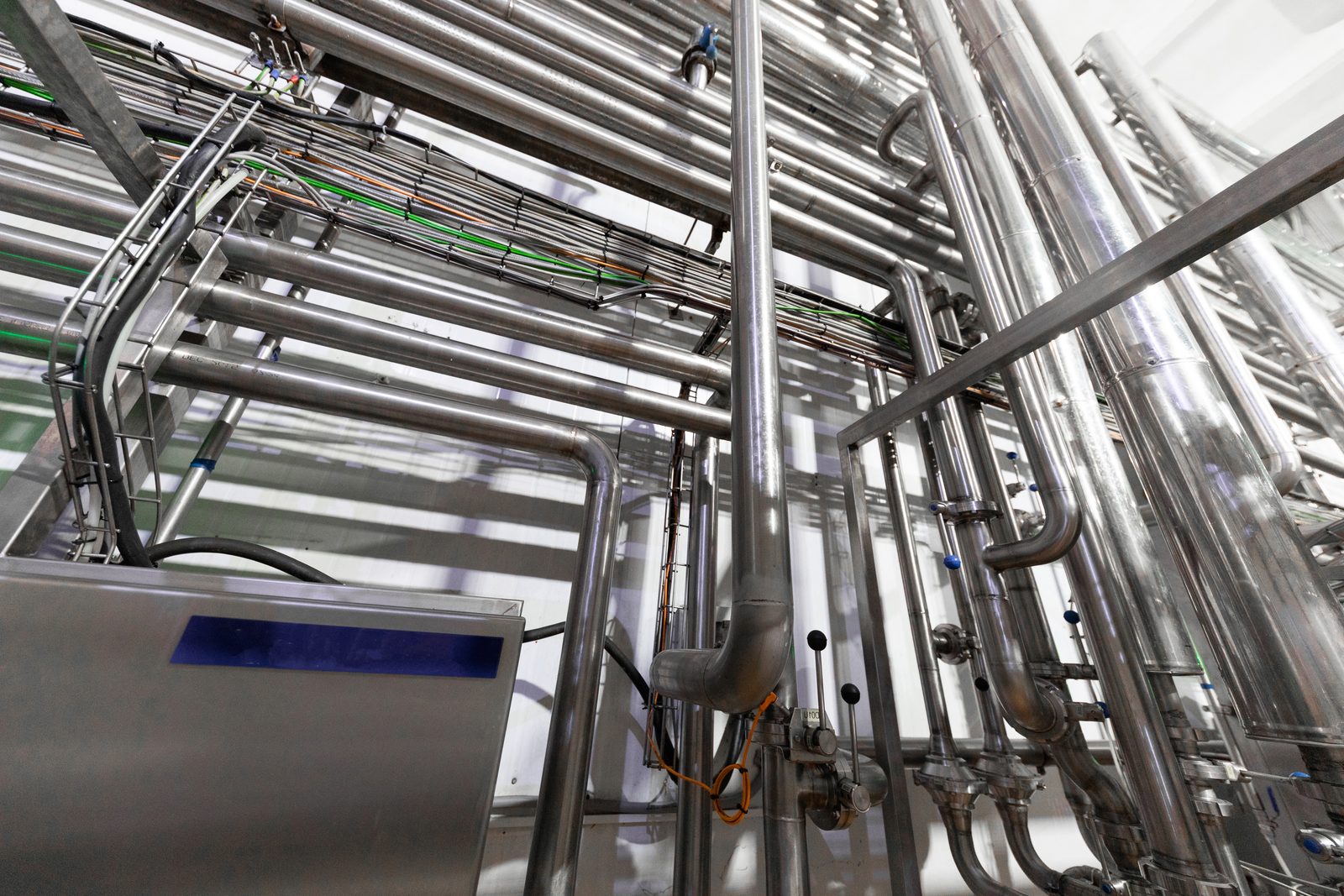
Piping design · expansions · tie-ins · India · ASME B31.3
Piping design consultants for plant expansions, tie-ins and modifications in India, designed to fit the plant as it stands.
VB Engineering designs piping for pharma, chemical and refinery plants that are adding a block, tying in a new line or closing HAZOP actions. Every tie-in is checked against the plant, by site walk or laser scan, before the 3D model, GA, isometrics and MTO are issued. Run the free piping scope check and get a written estimate in two business days.
Since 201421 countries12,000+ drawings deliveredChecked against the plant
Free piping scope check · 2 minutes
| Design scope | |
|---|---|
| Starting point | |
| Site work | |
| You receive | |
| VB will need |
The check turns your answers into a first scope; it is not an engineering opinion. Send it with the short form and a VB engineer returns the written scope and price estimate in two business days. No phone number.
Trusted on plants that cannot stop





- 0engineering drawings delivered
- 0countries where VB has engineered plants
- 0the year VB started work
- 0engineers on every isometric: designer and checker
Drawing count: VB Engineering project register.
How the free check works
- 1
Six answers, two minutes
What is driving the work, your plant type, roughly how many lines, what you have of the existing plant, the deliverables and your shutdown date.
- 2
A piping engineer reads it
A VB piping engineer reads your answers, decides whether a site walk or a laser scan is needed, and plans the design around your shutdown.
- 3
Estimate in two days
Design scope, deliverables and a price estimate in writing, ready for your projects head or purchase team.
Why plants call VB
When does an operating plant need a piping design consultant?
An operating plant needs a piping design consultant when it adds a new block, ties new lines into live headers, closes HAZOP actions that change piping, or runs short of design capacity on an EPC package. In each case the new piping must fit existing racks, nozzles and steel, and most of it goes in during a short shutdown.
Expansion or new block
A new reactor train, block or utility package has to be routed through racks that are already full. VB designs the piping for plant expansion against the racks and nozzles as they are today.
Tie-in and modification
New lines join live headers during a shutdown measured in days. Every tie-in point is verified on site and gets its own isometric, so the shutdown is fit-up and welding, not rework.
Outsourced detail engineering
EPCs and consultants hand VB piping detail engineering packages at peak load: model, GA, isometrics, MTO and line list in your platform and specification.
HAZOP and statutory actions
An added relief valve, a bypass, a drain or a rerouted line after a HAZOP. VB designs the piping modification after HAZOP and updates the P&ID to as-built.
Debottlenecking
More throughput from the same plant often means larger lines, new bypasses and new pumps. The process study sits with VB's process engineering team; the piping changes are designed here.
Codes and standards
Which codes govern piping design in Indian plants?
Process piping in Indian pharma, chemical and refinery plants is designed to ASME B31.3. Steam and power piping follows ASME B31.1 and the Boilers Act, 2025. Oil and gas installations add OISD standards for layout and piping inspection, and pharma product-contact lines add ASME BPE. VB states the governing code for every line.
| Code or standard | What it covers | Where it applies | How it shows in VB's drawings |
|---|---|---|---|
| ASME B31.3 Process Piping | Design, materials, fabrication, examination and testing of process piping | Refineries, chemical, pharmaceutical, textile, paper, semiconductor and cryogenic plants | Wall thickness, branch reinforcement and test pressure per line class |
| ASME B31.1 Power Piping | Steam, feedwater, boiler external and power-plant piping | Captive power plants and utility steam systems | Steam and condensate lines classed separately from process lines |
| Boilers Act, 2025 | Registration and inspection of boilers and steam piping | Steam lines connected to registered boilers | Steam line drawings prepared for submission to the boiler inspectorate |
| OISD-STD-118 Layouts for Oil and Gas Installations | Plant layout and equipment spacing | Refineries, gas processing plants, depots and terminals | New piping and equipment routed to the spacing it sets |
| OISD-STD-130 Inspection of Piping Systems | In-service inspection of plant piping | Oil and gas installations | Thickness readings from your inspection records used at tie-in points |
| ASME BPE Bioprocessing Equipment | Hygienic design of product-contact piping and tubing | Pharma and biotech product, purified water and clean steam lines | Slopes, drain points and dead-leg limits drawn on each isometric |
| IEC 61882 HAZOP studies | How a hazard and operability study is run and recorded | Any process plant closing HAZOP recommendations | Each piping change traced to its HAZOP recommendation number |
A line class is one row of the piping material specification: the pipe, fittings, flanges and valves allowed for one service. Isometrics are single-line 3D drawings of one pipeline, drawn for fabrication.
What VB delivers
What do you receive from VB's piping design?
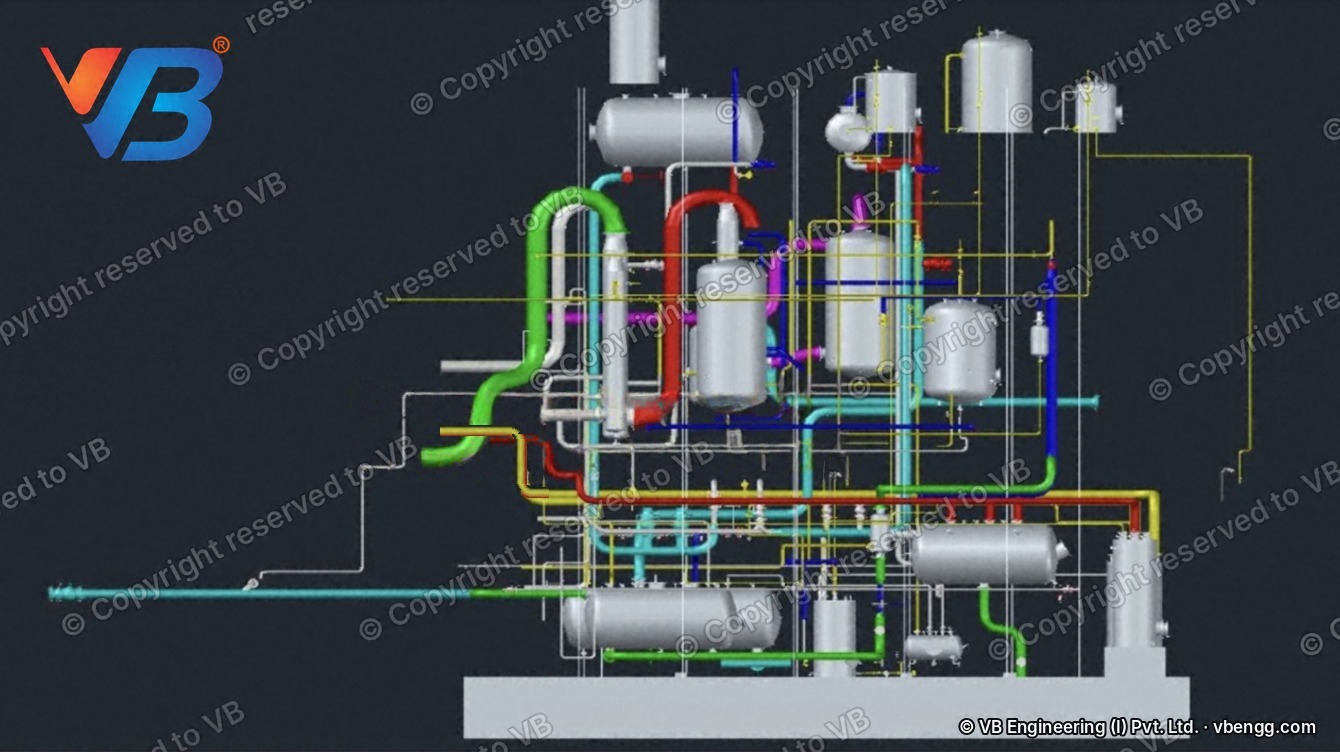
VB's piping design delivers a 3D piping model of the new and modified lines inside the existing plant, piping GA drawings, fabrication isometrics, a material take-off, a line list and a tie-in schedule. Every tie-in point is verified on site or from a laser scan, and a second VB engineer checks every isometric before issue.
| Included | On request |
|---|---|
| 3D piping model of new and modified lines, placed in the existing plant | Laser scan as-built of the tie-in zone (LiDAR scanning) |
| Piping GA (plan and elevation) drawings by area | Pipe stress analysis of critical lines (stress analysis) |
| Fabrication isometrics with bill of material (isometric drawings) | P&ID mark-up and update (P&ID drafting) |
| Material take-off (MTO) by line and specification | Pipe support drawings and support schedule |
| Line list and tie-in schedule | PMS and VMS preparation where none exists |
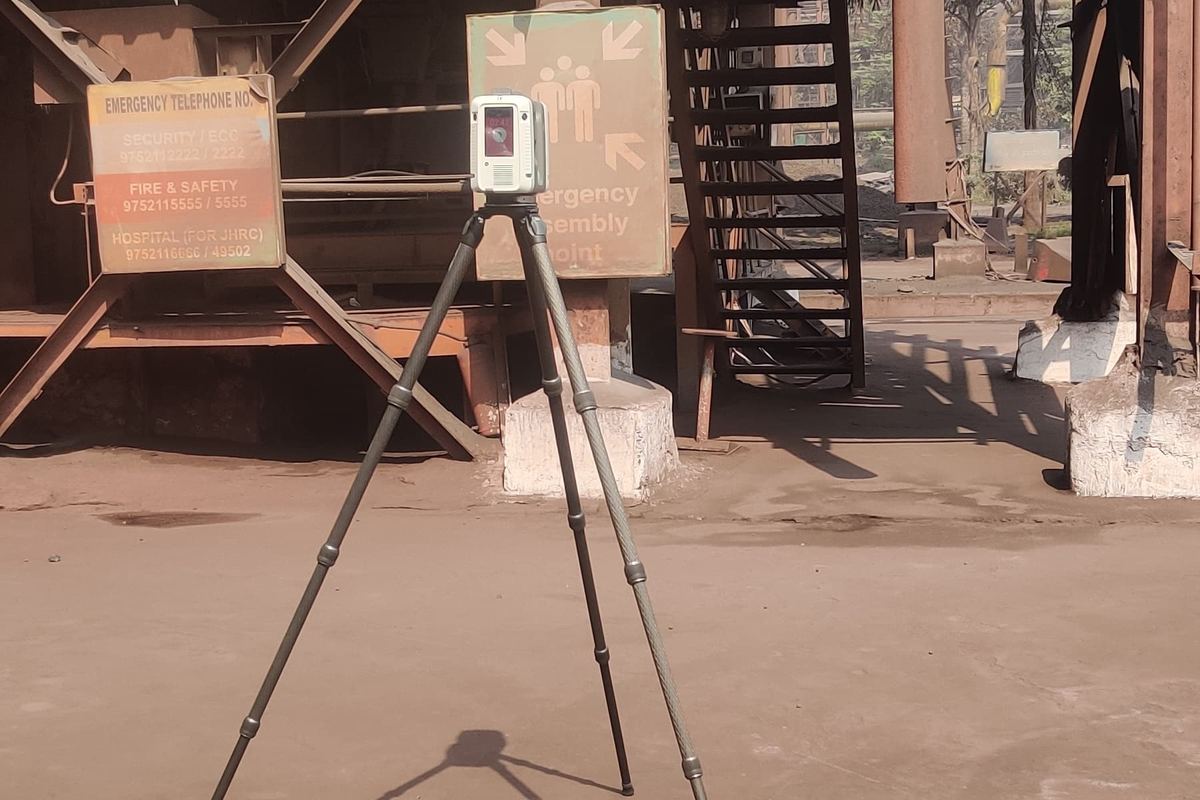
Platforms: AutoCAD Plant 3D and AVEVA E3D for the model, CAESAR II for stress, Leica RTC360 for laser scanning. Drawings issued as DWG and PDF, in your title block and numbering.
The method, stage by stage
- Data request · P&IDs, line list, PMS, equipment data sheets and existing GAs, collected before the site visit
- Site verification · tie-in points, rack space and nozzles checked by walkdown, or captured by laser scan where the area is congested
- Routing · new lines modelled in the existing plant, clash-checked against existing piping, steel and equipment
- Tie-in package · tie-in schedule, one isometric per tie-in, isolation noted for each
- Check · a second VB engineer checks every isometric against the model, the PMS and the line list
- Issue · model, GAs, isometrics, MTO and line list, revised once on your comments
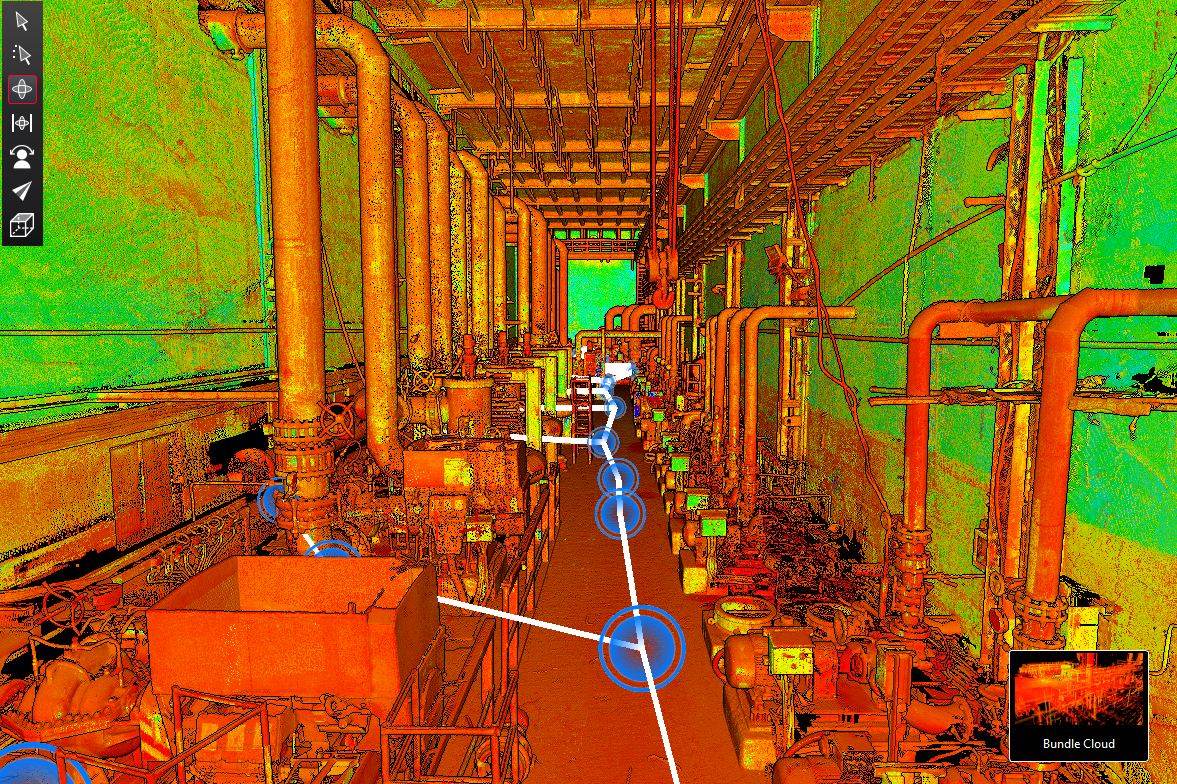
Tie-ins
How is a piping tie-in planned for a shutdown?
A piping tie-in is the point where a new line joins an existing, usually live, line. It is planned so that the shutdown work is limited to isolation, cutting, fit-up and welding, with every spool prefabricated in advance. VB plans tie-ins in six steps.
- Mark every tie-in point on the P&ID and give it a number.
- Verify each point on site: line size, specification, material, access and the nearest flange or weld.
- Choose the tie-in type: cold cut in a shutdown, connection at an existing flanged break, or hot tap on a live line.
- Schedule it in the tie-in schedule with isolation, drain-down and the shutdown or online window.
- Draw one isometric per tie-in with a field-weld allowance, so the spool fits at site.
- Pack the material and prefabrication list per tie-in, so nothing is cut or ordered during the shutdown.
Industries
Piping design for pharma, chemical and refinery plants
VB designs piping for three kinds of operating plant in India: pharma and API plants, where product lines follow GMP and ASME BPE; chemical and specialty chemical plants, where corrosive services and congested racks drive the design; and refineries and downstream oil and gas plants, where OISD spacing and live-line tie-ins set the rules.
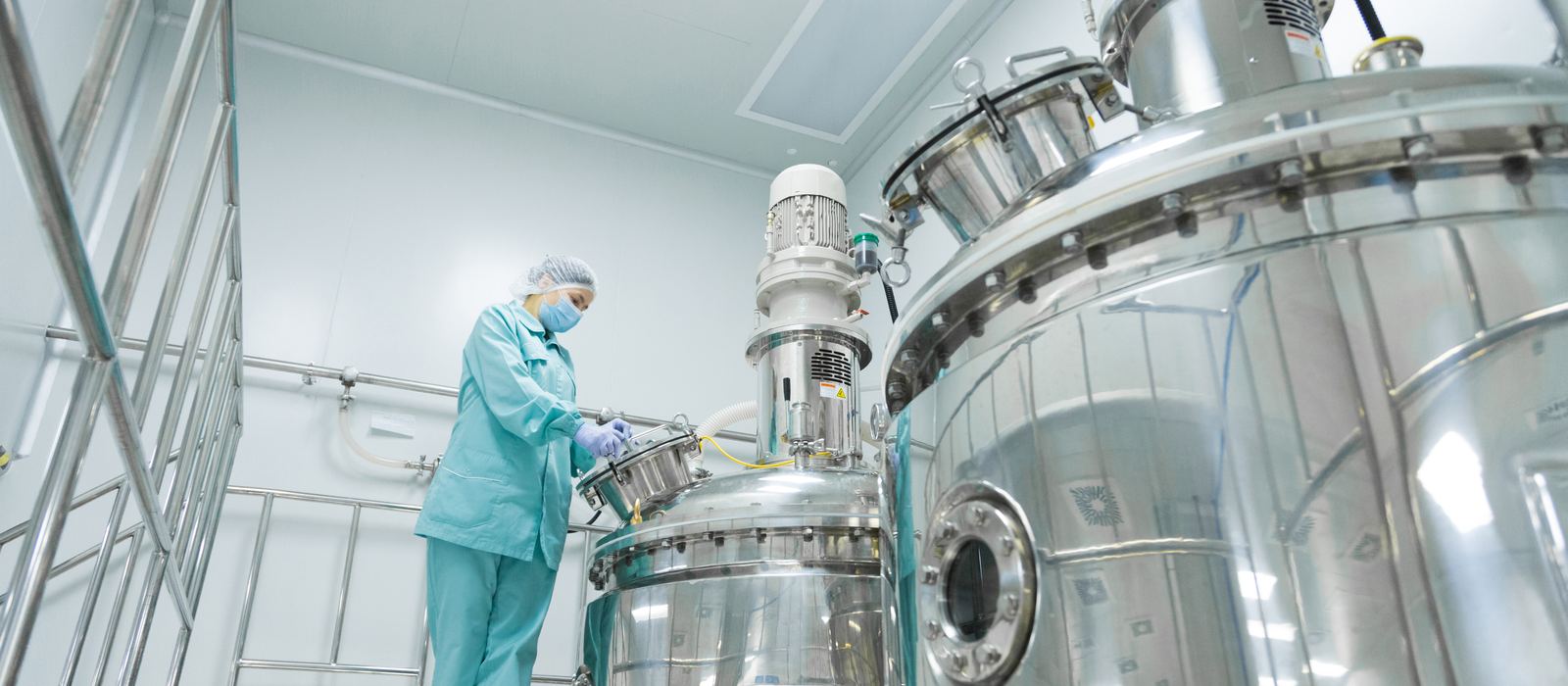
Pharma and API plants
Pharmaceutical process piping design for new blocks and reactor additions: 316L product lines, purified water and clean steam to ASME BPE, slopes and drain points drawn on the isometrics. See HAZOP and P&ID updation for pharma plants.
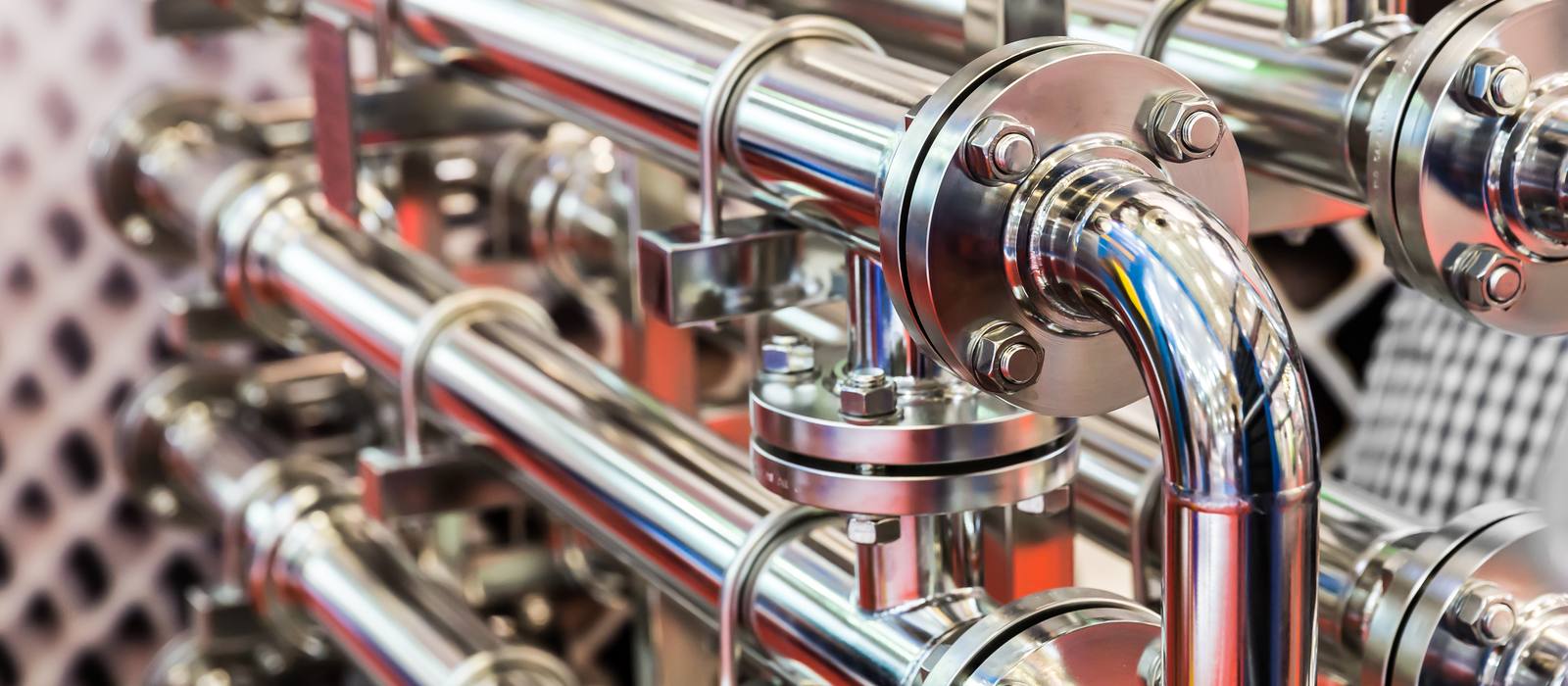
Chemical plants
Chemical plant piping design for solvent, acid and utility services, with lined pipe and alloy classes where the PMS calls for them, routed through racks that are already full. See HAZOP and P&ID updation for chemical plants.
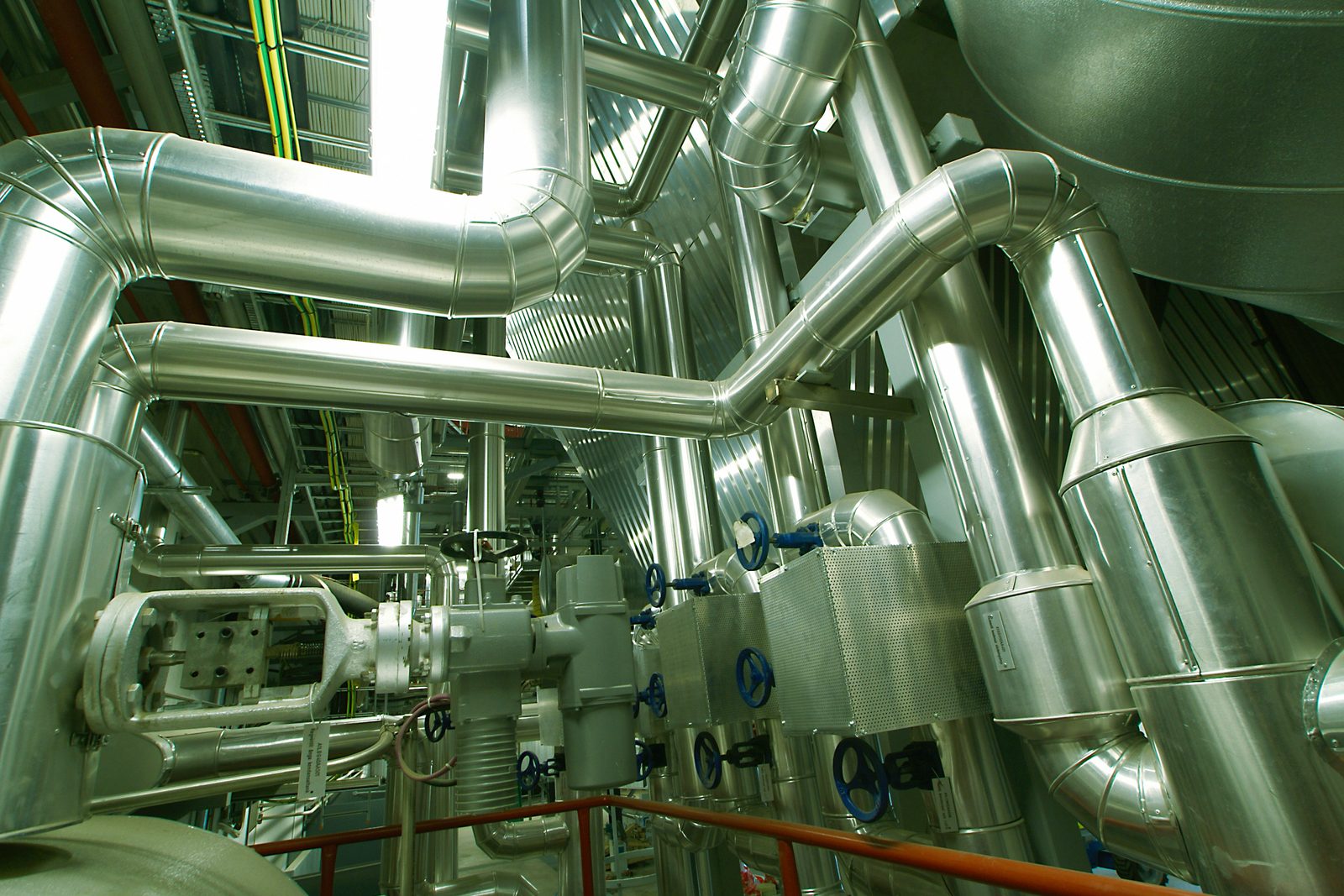
Refineries and downstream oil and gas
Refinery piping design for revamps and tie-ins to ASME B31.3, laid out to OISD-STD-118 spacing, with hot taps and live-line tie-ins planned with your inspection team.
Price
How much does piping design cost in India?
Piping design in India is priced on the number of new and modified lines, the number of tie-ins, line sizes and specifications, how well the existing plant is documented, and the deliverables required. Hourly rates are a poor comparison: the same line takes far longer to design when the plant around it has to be measured first.
| Price driver | Why it moves the price | How VB shows it in your estimate |
|---|---|---|
| Number of lines and isometrics | Each line is modelled, drawn, checked and listed | A rate per isometric, by line size band |
| Number of tie-ins | Each one is verified on site and gets its own isometric | Tie-ins priced as their own line |
| Existing plant information | A current 3D model or scan removes site measurement; no drawings means a walkdown or scan first | Stated as an assumption, with the scan as an option |
| Specifications and materials | Alloy, lined and BPE classes need more detail per isometric | Noted by line class |
| Stress analysis, supports, P&ID update | Separate engineering with its own checks | Each priced as its own line, so you can add it later |
Run the free piping scope check above and the written scope and price estimate come back in two business days.
An API plant expansion
How would VB design the piping for a new block in an operating API plant?
At a mid-size API plant in South India, modelled with a new block of about 150 lines and 28 tie-ins into live headers, VB scans the tie-in zone and routes the new lines inside the scan. Modelled result: 37 clashes found on screen, 2 tie-ins moved online as hot taps, and 26 completed in one four-day shutdown.
The trigger
The plant adds a reaction block next to an operating one. The new lines must join utility, nitrogen and solvent recovery headers on a pipe rack that has grown through several expansions, and the existing GAs no longer match the rack.
What the scan and design found
| Finding | Why it matters |
|---|---|
| 37 clashes with existing piping and steel | Each would have been a field reroute during construction |
| 6 tie-in points moved to an existing flanged break | No cutting on those lines during the shutdown |
| 4 headers different from the old GA in size or route | Isometrics drawn to the old GA would not have fitted |
| 2 tie-ins planned as hot taps | Taken out of the shutdown altogether |
What VB delivers
A 3D model of the new block inside the scanned rack, GAs by area, fabrication isometrics, a tie-in schedule with isolation for each point, the MTO and the line list. Stress analysis covers the hot solvent lines. The P&IDs are marked up for the plant to update after commissioning.
| Measure | Before | After |
|---|---|---|
| Clashes found before fabrication | Unknown | 37, all resolved in the model |
| Tie-ins in the shutdown | 28, all planned as cuts | 26: 20 cuts and 6 at existing flanged breaks; 2 hot taps done online |
| Shutdown length for tie-ins | 4 days | |
| Isometrics checked by a second engineer | All | |
The shutdown carries only fit-up and welding of prefabricated spools, because every tie-in is measured before it is drawn.
Why plants choose VB
Why do plants and EPCs bring VB their piping work?
Tie-ins and rack space are verified on site or from a laser scan, not taken from drawings that stopped being true years ago.
VB scans the plant and designs in the scan, so there is no hand-off between a survey firm and a design firm.
A designer draws it and a second engineer checks it against the model, the PMS and the line list.
Tie-ins are scheduled, typed and drawn one by one, so the shutdown is fit-up and welding.
AutoCAD Plant 3D or AVEVA E3D, in your title block, numbering and PMS.
HAZOP, P&ID updation and stress analysis are VB teams too, so HAZOP actions close on one set of drawings.
Free, in two business days
What do you get back from the free piping scope check?
The free piping scope check returns three things within two business days: a written design scope for your lines and tie-ins, a price estimate split into site verification, design and any stress or scan work, and a timeline built back from your shutdown date. There is no fee and no sales call.
Written scope and estimate
Lines, tie-ins, deliverables and assumptions, priced line by line, so you can take one number to your projects head this week.
A timeline to your shutdown
Site verification, design, check and issue laid out backwards from your shutdown or need-by date.
Walkdown or scan advice
Whether your tie-in zone needs a laser scan, or whether a walkdown and your existing drawings are enough.
Read more: piping isometric drawings · P&ID drafting · pipe stress analysis · process engineering · LiDAR scanning · pharma HAZOP and P&ID · chemical HAZOP and P&ID · plant layout design.
Before you ask
Questions projects and engineering heads ask VB about piping design
What does a piping design consultant deliver for a plant expansion?
For a plant expansion, a piping design consultant delivers the 3D piping model, piping general arrangement (GA) drawings, isometrics for every new line, a material take-off (MTO), the line list and a tie-in schedule showing where new piping joins existing headers. VB checks each tie-in point against the plant as it stands, by site walk or laser scan, before the drawings are issued.
How is a piping tie-in planned for a shutdown in an operating plant?
A tie-in is planned in six steps: mark each tie-in point on the P&ID, verify it on site (size, specification, material and access), choose the tie-in type (cold cut, flanged break or hot tap), list it in a tie-in schedule with its isolation, issue a dedicated isometric with field-weld allowances, and pack the material and prefabrication list so the shutdown work is only fit-up and welding.
Can piping for an expansion be designed from a laser scan of the existing plant?
Yes. A terrestrial laser scan captures the existing pipe racks, equipment nozzles and steel as a point cloud measured to millimetres, and the new piping is routed inside it, so clashes with existing lines are found on screen rather than at site. VB uses laser scanning for congested tie-in zones and for plants without reliable drawings. See VB's LiDAR scanning service for the scan itself.
How do you close HAZOP recommendations that need piping changes?
HAZOP recommendations that change piping (an added relief valve, a bypass, a drain, a check valve or a rerouted line) are closed by marking the P&ID, designing the change against the plant as it stands, issuing isometrics and an MTO for the modification, and updating the P&ID and line list to as-built after installation. VB designs the piping half; the HAZOP study itself sits with VB's process safety team.
Why do EPCs outsource piping detail engineering, and what should the scope include?
EPCs outsource piping detail engineering to add design capacity at peak load without hiring for a single project. The scope should state the 3D platform and catalogue, the piping material specification, the deliverables (model, GA, isometrics, MTO, line list, support standards), the checking level, the stress interface, the revision cycle, and who owns the model at handover.
How is piping designed for a pharma plant to GMP and ASME BPE?
Pharma process piping is designed to ASME B31.3, with ASME BPE applied to product-contact and high-purity lines: orbital-welded 316L tubing, surface finish specified by the owner, slopes so lines drain fully, and dead legs kept short so lines can be cleaned and sterilised. Utilities such as purified water and clean steam follow the same rules. VB draws the slopes and drain points into the isometrics so they can be checked at fabrication.
Which code applies to plant piping: ASME B31.3 or B31.1? And which OISD standards apply?
ASME B31.3 covers process piping in refineries and chemical, pharmaceutical, textile, paper, semiconductor and cryogenic plants. ASME B31.1 covers power piping: steam, feedwater and boiler external piping in power plants and plant utilities. In Indian oil and gas installations, OISD-STD-118 sets layout and spacing and OISD-STD-130 covers inspection of piping systems. Steam piping also falls under the Boilers Act, 2025.
How much does piping design cost in India?
Piping design in India is priced on the number of lines and tie-ins, the line sizes and specifications, whether a usable 3D model or laser scan of the existing plant exists, the deliverables required and the checking level. Hourly rates alone are a poor comparison because drawing hours depend on how well the existing plant is known. Run the free piping scope check on this page for a written estimate in two business days.
What is a piping MTO, and what is a piping GAD?
A piping MTO (material take-off) is the bill of every pipe length, fitting, flange, gasket, bolt and valve needed for the job, grouped by line and specification, so purchase can order before fabrication starts. A piping GAD (general arrangement drawing) is the plan and elevation drawing that shows how lines are routed through an area relative to equipment, steel and other services.
What are PMS and VMS in piping?
PMS is the piping material specification: for each service class, the pipe material, schedule, fittings, flanges, gaskets, bolts and branch rules allowed. VMS is the valve material specification: the valve types, body and trim materials and end connections allowed in each class. Every line in the line list points to one class in the PMS, and the MTO is built from it.
What is a brownfield piping project, and how is it different from greenfield?
A brownfield piping project adds to or modifies an operating plant; a greenfield project builds on an empty site. Brownfield work has to fit existing racks, nozzles and steel, connect through tie-ins during short shutdowns, and keep the plant running while it is built. That makes site verification and tie-in planning the largest part of the design, not routing.
Which companies do piping design for operating plants in India?
Piping design in India is offered by the engineering arms of EPC contractors, specialist piping consultancies and offshore drafting firms. For work inside an operating plant, ask whether the firm verifies tie-ins on site, can design from a laser scan, and has a second engineer check every isometric. VB Engineering has worked on brownfield plants since 2014 and has delivered 12,000+ drawings across 21 countries.
Your piping scope and estimate, back in two business days.
Six answers today. A VB piping engineer returns the design scope, the deliverables and a price estimate, built back from your shutdown date. No charge, no call unless you want one.
Get price estimatePrefer email? Send your line and tie-in count to connect@groupvb.com with "Piping" in the subject line.